Spaced repetition for learning lines
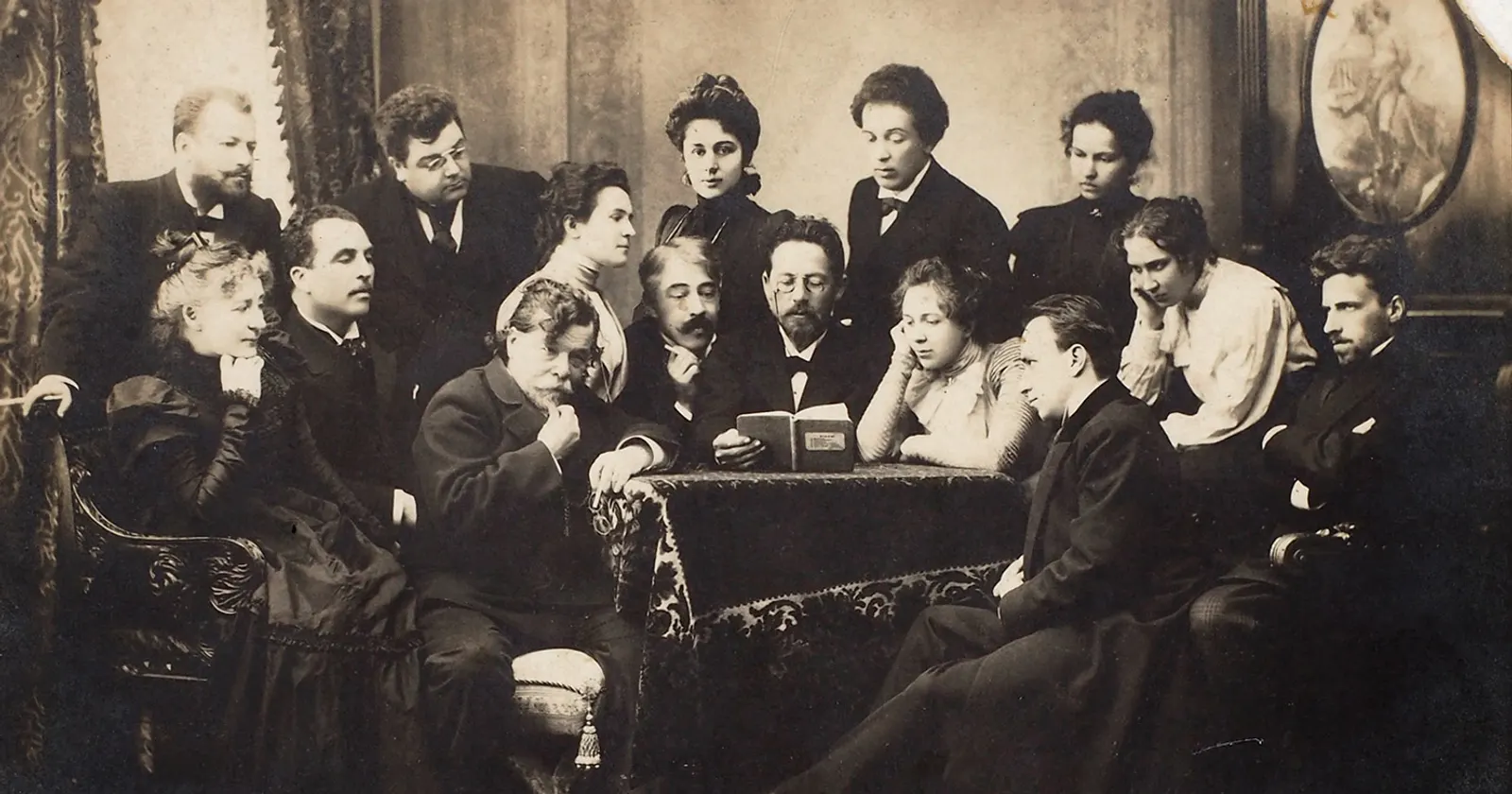
What Ebbinghaus measured in 1885, why four short sessions outlast one long evening, and the Italian run as spaced repetition before the name.
What actors actually do to learn a text, prepare a scene and keep a working rhythm. Sources included, no miracle recipe.
15 articles · Follow the blog by RSS
What Ebbinghaus measured in 1885, why four short sessions outlast one long evening, and the Italian run as spaced repetition before the name.
What casting directors cite when they talk about eliminations, in France as in the US: mostly logistics, files and instructions, almost never the acting.
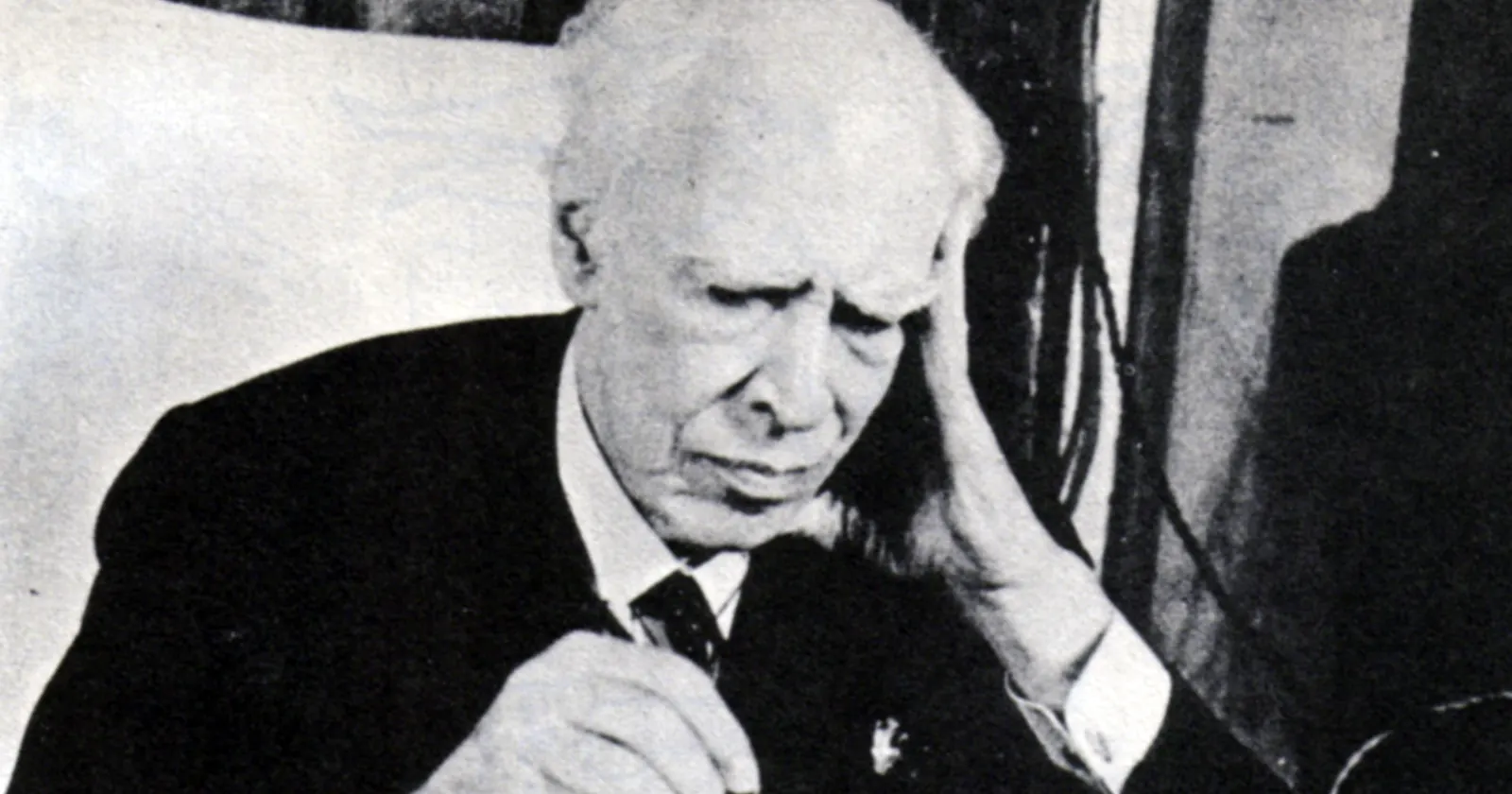
The most quoted system in acting changed during its author's lifetime. What it contains, what it became, and what people make it say.
Drama schools, Spotlight, Equity, SAG-AFTRA, agents: what the bodies that open the acting profession in the UK and the US publish, and what they actually count.
What actually happens in express memorization, what speed costs in retention, and why the fastest techniques are also the oldest in the profession.
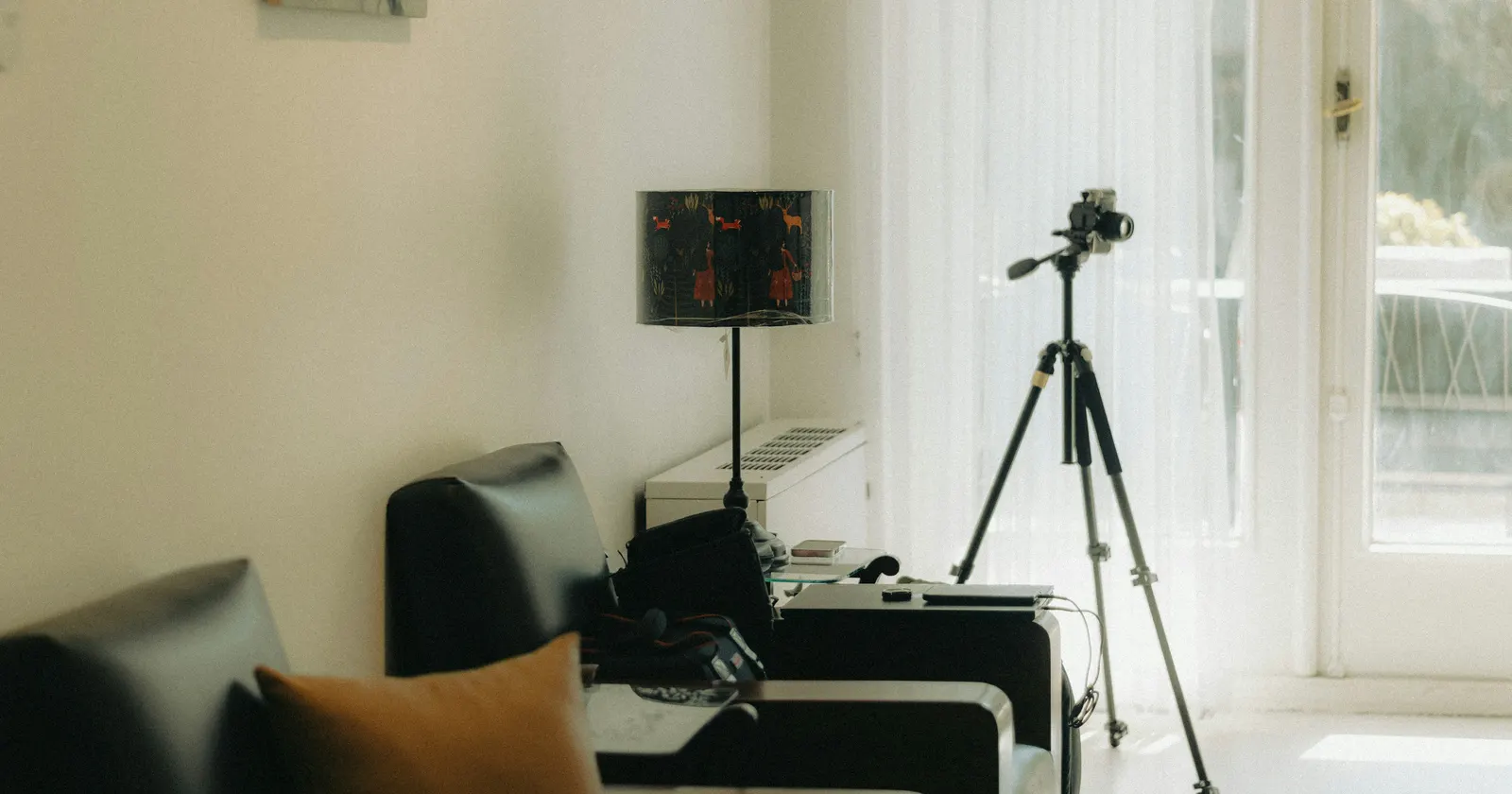
Phone or camera, microphone, ring light, tripod, backdrop: what casting directors and platforms say, and in what order to spend money on a self-tape.
Stanislavski, the Method, Strasberg, Adler, Meisner, Michael Chekhov, Brecht, Lecoq: what each approach actually proposes, where it comes from, where they part ways.
Where to stand, how loud to be, whether to act, whether it has to be an actor, and what remote readers and apps are worth: what casting directors say.
Two surveys from the same French ministry describe leaving drama school differently. What the figures measure, what support exists, and what nobody documents.
The word professional means a training, a status and an income, and the three do not line up. What the public figures say, and where the sources disagree.
Why acting has no codified daily training the way dance or music do, what actors actually do between two projects, and what an actor's training is made of.
What gets cut and what never gets cut when the sides land the night before for the next morning.
The guides do not agree on framing, format or readers. What actually holds across all of them, and what depends on the brief.
What actors do when nobody is free to read the other part: recording the cues, blanking out words, and why the handovers are the real problem.
The Italian run, the memory palace, walking while running lines. Old rehearsal room habits, and what memory research says about them.
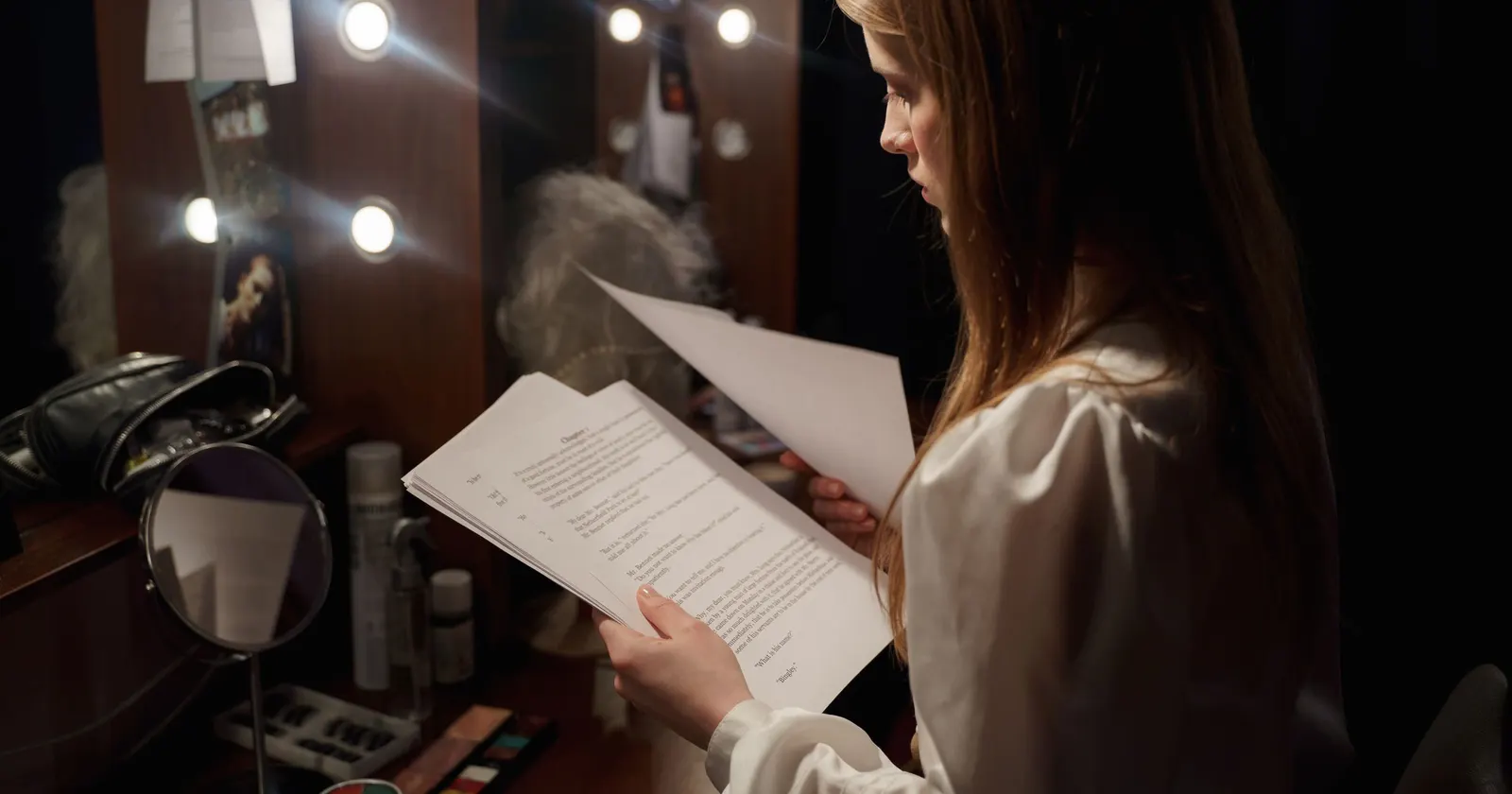
For an actor, learning a text does not mean remembering it once. It means being able to produce it on demand, fast, under pressure, and to find it again after days without touching it.
An audition is mostly prepared before you walk into the room. Part of what happens there is out of the actor’s hands, and part of it belongs to them entirely.
Most of an actor’s job happens off set: between two projects, with no room, no partner and nobody to say whether the work is done.
Acting has a vocabulary, schools and a century of disagreements. Knowing them does not tell you how to act, but it helps you hear what a note is asking for and choose where to enter a role.
Follow what we publish: @join_acto on Instagram.