How to make a self-tape audition
The guides do not agree on framing, format or readers. What actually holds across all of them, and what depends on the brief.
An audition is mostly prepared before you walk into the room. Part of what happens there is out of the actor’s hands, and part of it belongs to them entirely.
This topic follows the whole chain: reading a breakdown without projecting onto it, choosing what you are going to play, shooting a decent self-tape with whatever you have at hand, and knowing what actually matters to the person who will watch it. Guides disagree on framing, on format and on the reader: what holds everywhere is shorter than you would think.
5 articles 4 terms updated October 22, 2026
The guides do not agree on framing, format or readers. What actually holds across all of them, and what depends on the brief.
What casting directors cite when they talk about eliminations, in France as in the US: mostly logistics, files and instructions, almost never the acting.
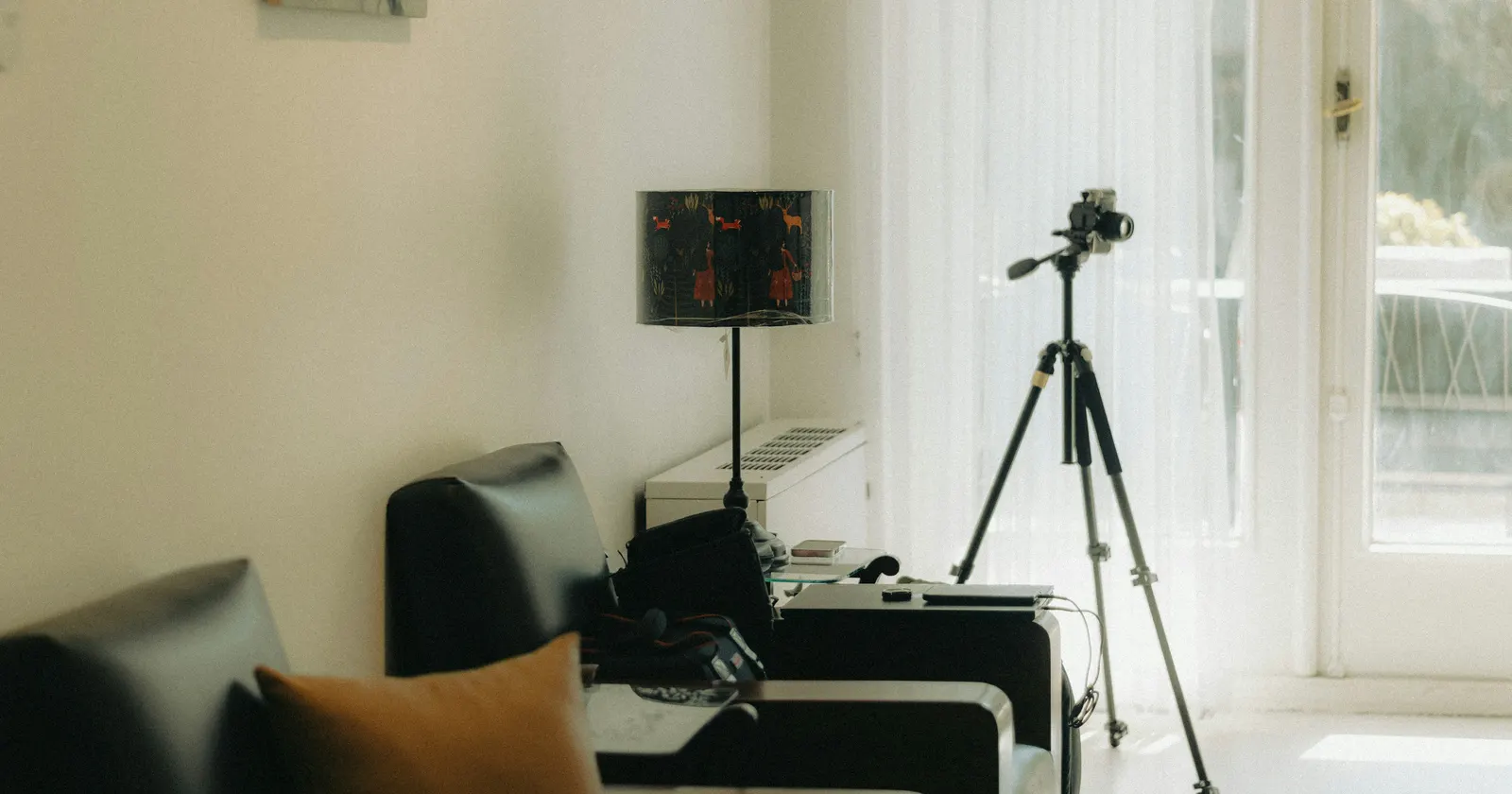
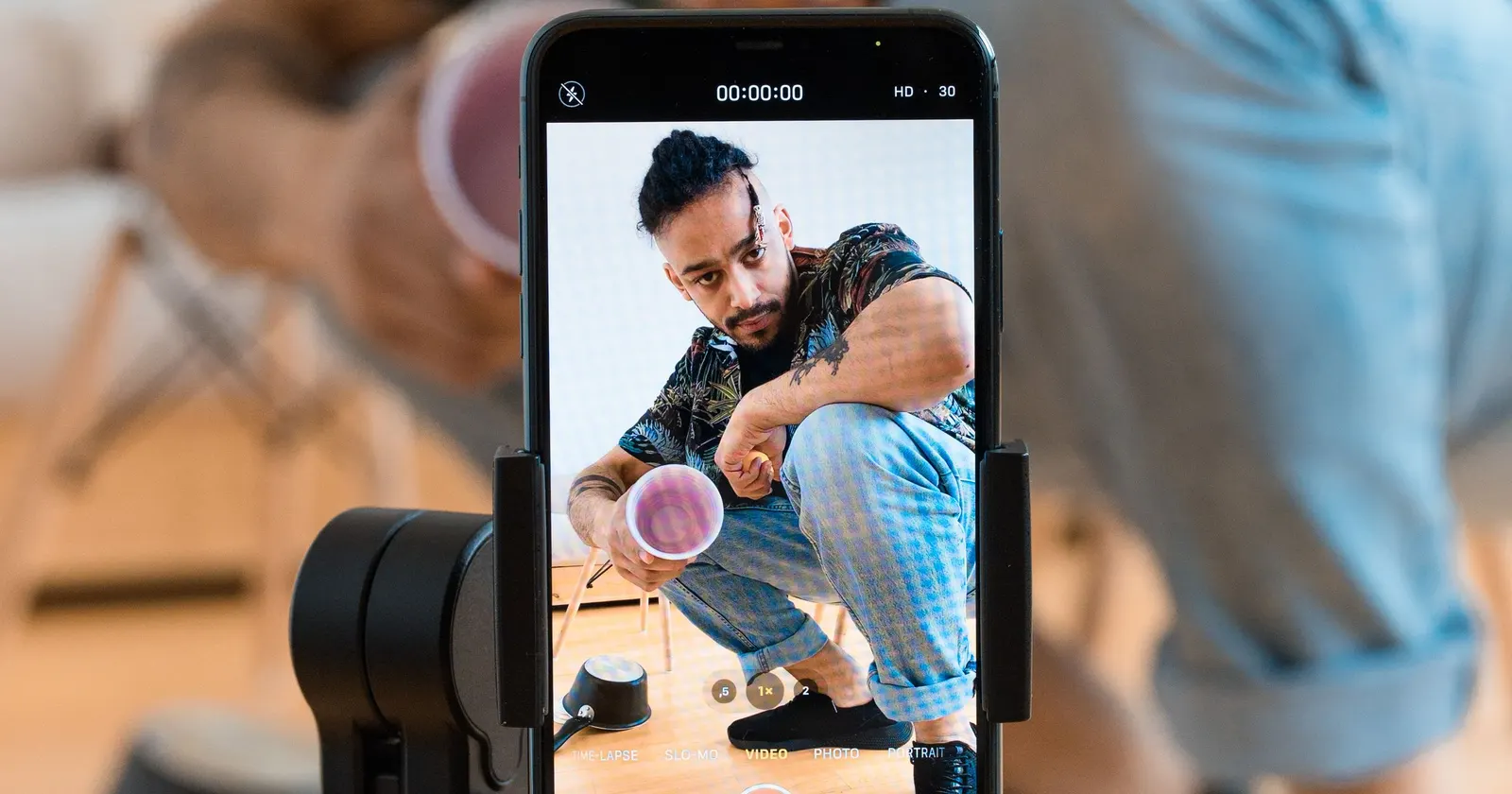
Phone or camera, microphone, ring light, tripod, backdrop: what casting directors and platforms say, and in what order to spend money on a self-tape.
Where to stand, how loud to be, whether to act, whether it has to be an actor, and what remote readers and apps are worth: what casting directors say.
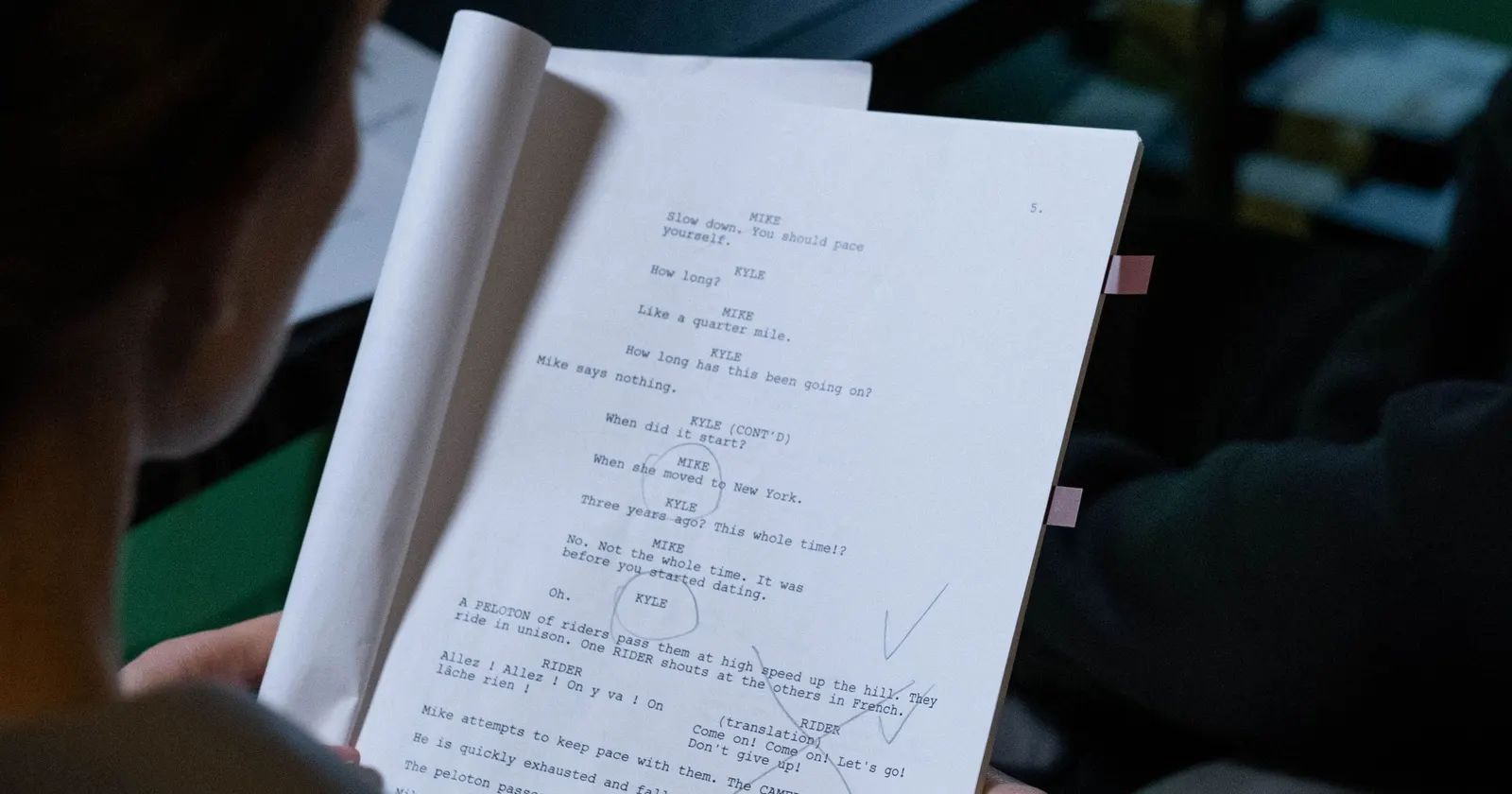
What gets cut and what never gets cut when the sides land the night before for the next morning.
A chest-up frame, landscape, a neutral background, clean sound and light on the face. That is the smallest common denominator of every guide, and nobody holds it against you.
Only if the brief asks for it. When it says nothing, a short, plain slate at the end of the file works everywhere and does not eat the first seconds of the scene.
One, unless asked otherwise. Sending two versions of the same scene amounts to asking someone else to choose for you.
Follow what we publish: @join_acto on Instagram.